A data breach notice, a strange credit inquiry, or a bank login alert can make people rush into the wrong first step. The safer pattern is to separate three jobs: stop new-account abuse, preserve evidence, and clean up existing accounts without losing access to money you still need. This guide was checked on June 4, 2026 against FTC, CFPB, AnnualCreditReport.com, the three major credit bureaus, and IRS resources. It is general education, not legal, credit-repair, tax, or financial advice.

Practical decision table
| Situation | First move | Evidence to keep |
|---|---|---|
| Breach notice only | Freeze before panic-shopping services | Notice and freeze confirmations |
| Unknown credit inquiry | Pull reports and dispute if false | Report page and bureau case number |
| New account fraud | FTC report plus creditor contact | Account letters and call notes |
| Tax identity risk | Review IRS IP PIN eligibility | IRS confirmation and tax notices |
| Legitimate loan soon | Schedule temporary thaws | Dates, bureaus, and lender name |
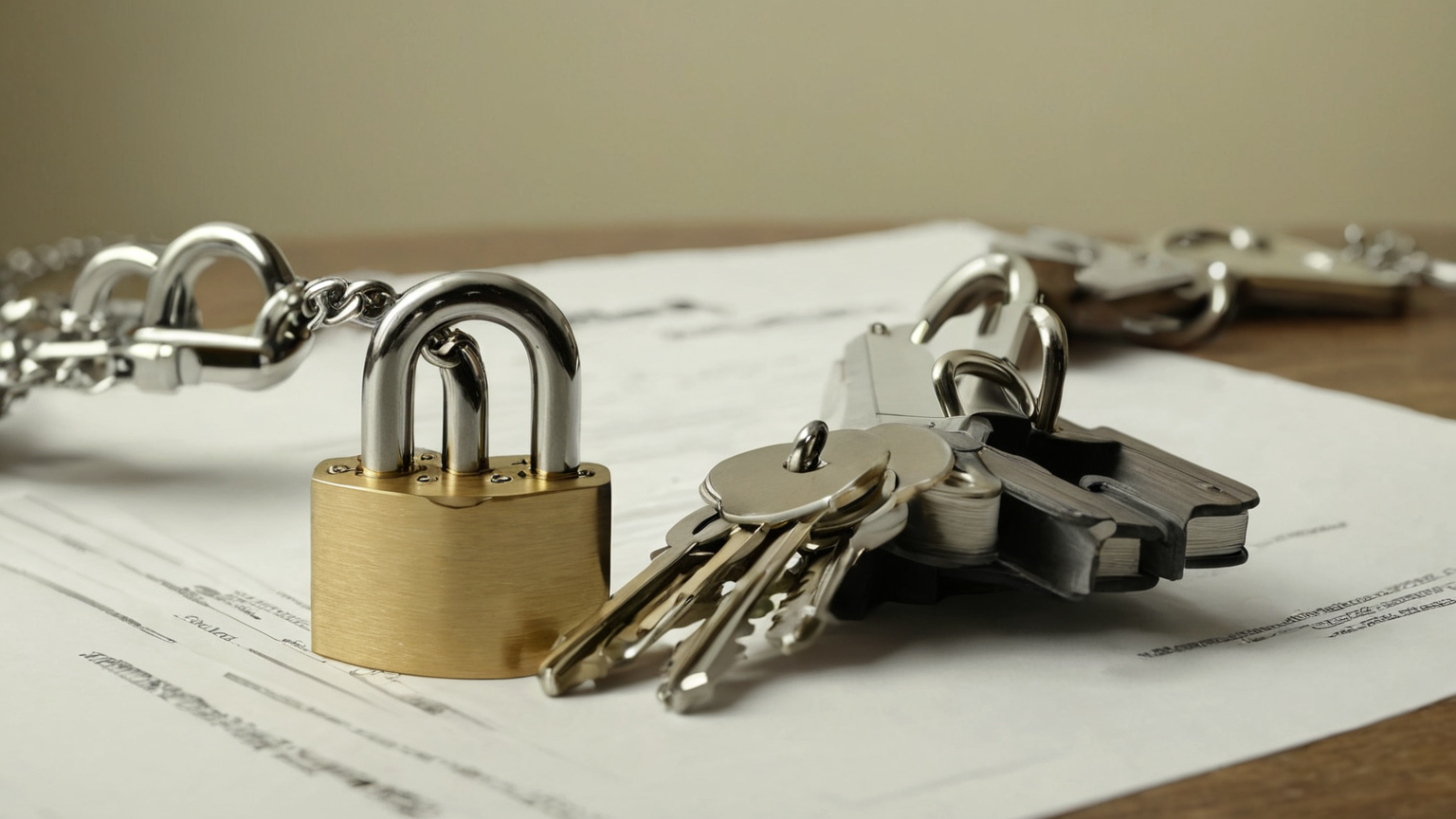
Choose the right lock before opening disputes
A credit freeze generally limits new creditors from accessing your credit file until you lift it. A fraud alert tells creditors to take extra steps to verify identity before opening new credit. Many people need a freeze at all three major bureaus, while an initial fraud alert can be placed with one bureau and passed to the others. Do not assume one button protects every bank, payroll account, medical portal, mobile carrier, or tax identity record.

Create an evidence folder that is boring but complete
Save the breach notice, dates, account names, screenshots without exposing full numbers, police or FTC reports when applicable, bureau confirmation pages, dispute letters, certified-mail receipts, and call notes. The folder should answer who contacted whom, what was changed, when it happened, and what proof exists. Evidence matters because cleanup can take months and representatives change.

Audit reports and accounts in separate passes
First inspect credit reports for unfamiliar accounts, addresses, employers, inquiries, collections, and balances. Then inspect existing financial accounts for changed contact details, new devices, unauthorized transfers, bill-pay changes, and linked external accounts. Mixing these passes causes missed clues. If a bank account or card is actively compromised, call the institution through a trusted number before spending time on slower paperwork.

Plan lift windows instead of leaving freezes off
Freezes can complicate legitimate applications for credit cards, mortgages, student loans, rental screening, utilities, phone service, insurance, and some employment checks. Use planned thaw windows only when needed, then refreeze. Record the bureau, date, reason, and confirmation. A household calendar reminder prevents a temporary lift from becoming a permanent exposure.

Extend the recovery beyond credit files
Identity theft can affect taxes, health insurance, government benefits, email, mobile numbers, password resets, and children’s unused credit files. Consider an IRS Identity Protection PIN when eligible, strengthen email and phone account security, and monitor mail delivery. Children, older relatives, and recently moved households need extra care because the first warning may arrive long after the misuse started.
Implementation checklist
- Write the owner, review date, decision rule, and evidence location before changing accounts, documents, access, or travel plans.
- Prefer official sources and account settings over screenshots, social posts, sales pages, or outdated forum advice.
- Keep proof: confirmations, settings exports, receipts, support links, time-stamped photos, and dated internal notes when appropriate.
- Reduce single points of failure such as one login, one document, one adult, one app, one payment card, or one undocumented recovery path.
- Revisit the plan after travel, school changes, account changes, offboarding, incidents, policy updates, breaches, or major life events.
FAQ
Is this current for 2026?
Yes. The workflow was checked against the listed FTC, CFPB, AnnualCreditReport.com, bureau, and IRS sources on June 4, 2026, but bureau portals, creditor processes, and tax-identity procedures can change.
What should I do first?
Build the evidence table first. It prevents rushing into a change that breaks access, hides proof, or creates a new exposure.
When should I get expert help?
Use creditor, tax, legal, or identity-theft specialist support when fraudulent accounts, tax notices, police reports, debt-collection deadlines, or account access problems could affect your money or credit record.